

The world of regenerative aesthetics has evolved far beyond traditional skin hydration treatments. Today, patients are increasingly seeking solutions that not only improve how their skin looks, but also support how it functions at a biological level.
This shift has fueled the rise of advanced regenerative ingredients such as NAD+, PDRN, and Exosome. These technologies are frequently discussed together and are often promoted as the future of skin rejuvenation. However, despite sharing a common goal of improving skin quality, they work through fundamentally different mechanisms.
As a result, one of the most common questions among both practitioners and patients is:
Which one is better: NAD+, PDRN, or Exosomes?
The truth is that there is no universal winner. Each technology targets a different aspect of skin aging and regeneration. Understanding these differences is the key to selecting the most appropriate treatment strategy.
Understanding Skin Aging Beyond Collagen Loss
For many years, anti-aging treatments focused primarily on collagen stimulation. While collagen remains essential for maintaining skin firmness and elasticity, modern research has revealed that skin aging is far more complex than collagen loss alone.
Aging skin is characterized by multiple biological changes occurring simultaneously, including:
-
Reduced cellular energy production
-
Slower tissue repair mechanisms
-
Increased oxidative stress
-
Impaired cellular communication
-
Decreased regenerative capacity
-
Progressive extracellular matrix degradation
Because these processes occur at different levels of skin biology, no single ingredient can effectively address every aspect of aging.
This is precisely why NAD+, PDRN, and Exosomes have emerged as distinct categories within regenerative aesthetics.
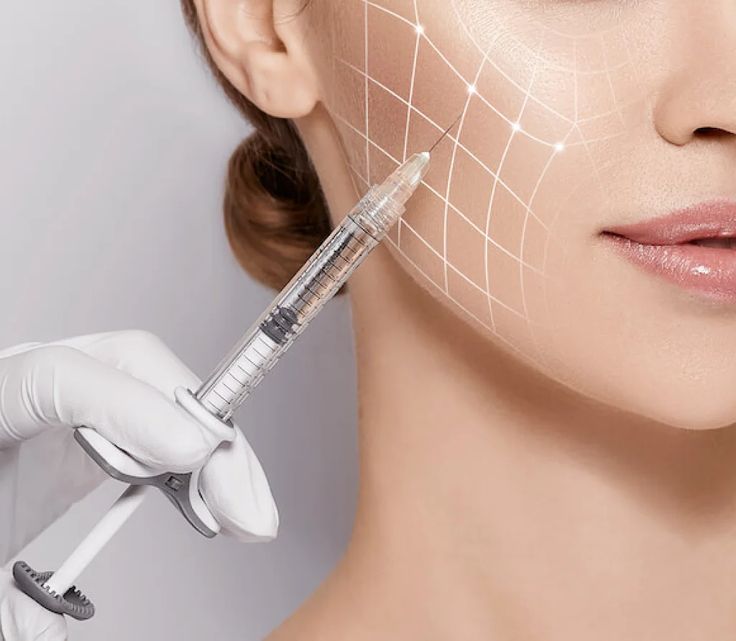
NAD+: Supporting Cellular Energy and Skin Longevity
Among regenerative ingredients, NAD+ operates at one of the most fundamental levels of cellular function.
Nicotinamide Adenine Dinucleotide (NAD+) is a coenzyme found in every living cell and plays a critical role in mitochondrial energy production. Without sufficient NAD+, cells cannot efficiently generate ATP, the energy required for virtually every biological process.
This becomes increasingly important as we age.
Research has shown that intracellular NAD+ levels naturally decline over time. As this decline occurs, cellular efficiency may decrease, affecting processes such as tissue maintenance, DNA repair, antioxidant defense, and cellular renewal.
From an aesthetic perspective, this makes NAD+ particularly interesting because it addresses one of the earliest biological changes associated with aging: declining cellular vitality.
Rather than focusing solely on repairing visible damage, NAD+-based skin boosters aim to support the cellular environment that allows healthy skin function to occur.
NAD+ May Be Most Suitable For:
-
Early signs of aging
-
Dull and fatigued skin
-
Loss of radiance
-
Reduced skin vitality
-
Preventive anti-aging programs
-
Patients interested in longevity-focused aesthetics
A useful way to think about NAD+ is to imagine the skin as a city. NAD+ functions like the city's power supply. Without adequate energy, even the most advanced repair and communication systems struggle to perform effectively.
This is why NAD+ is increasingly associated with the concept of cellular rejuvenation and skin longevity.
PDRN: The Tissue Repair Specialist
While NAD+ focuses on energy production, PDRN focuses on regeneration and recovery.
Polydeoxyribonucleotide (PDRN) has been widely used in regenerative medicine due to its ability to support tissue repair and wound healing. It is particularly valued for its role in promoting fibroblast activity and improving the skin's natural recovery processes.
In aesthetic practice, PDRN is frequently incorporated into protocols designed to restore compromised skin and accelerate healing following aesthetic procedures.
Unlike NAD+, which supports the overall cellular environment, PDRN acts more directly on the repair process itself.
This distinction makes PDRN especially useful when the skin is damaged, inflamed, or recovering from external stress.
PDRN May Be Most Suitable For:
-
Post-procedure recovery
-
Acne scars
-
Sensitive or compromised skin
-
Skin barrier repair
-
Inflammatory skin conditions
-
Patients requiring enhanced tissue regeneration
If NAD+ provides the energy required for regeneration, PDRN helps facilitate the rebuilding process.
Exosomes: The Cellular Communication Network
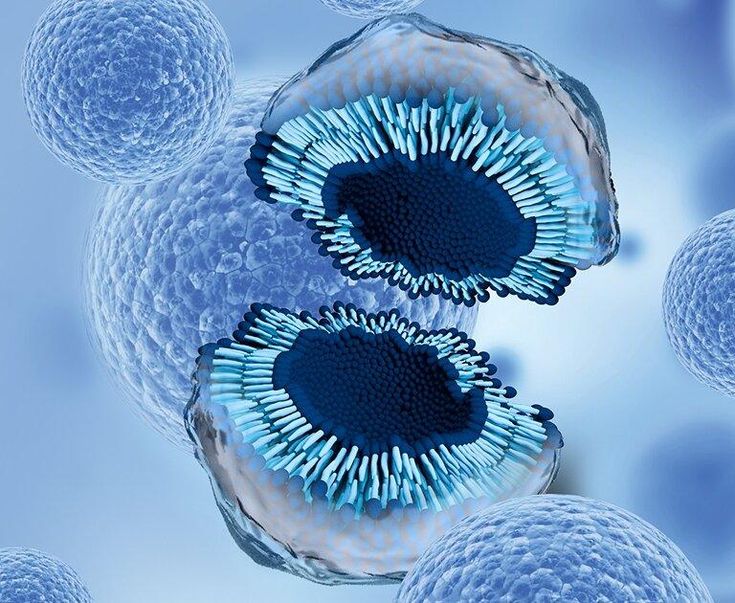
Exosomes represent one of the most advanced technologies currently available in regenerative aesthetics.
Unlike NAD+ and PDRN, exosomes do not primarily function as energy molecules or repair substrates. Instead, they serve as biological messengers.
Exosomes are tiny extracellular vesicles capable of carrying proteins, lipids, peptides, growth factors, messenger RNA, and microRNA between cells. Through this process, they help coordinate cellular communication and influence regenerative responses throughout the skin.
Because of their ability to interact with multiple biological pathways simultaneously, exosomes have become a major focus of regenerative medicine and advanced skin rejuvenation protocols.
However, not all exosomes are the same.
Today, exosomes are generally divided into two major categories: human-derived exosomes and plant-derived exosomes.
Human-Derived Exosomes
Human-derived exosomes are obtained from human cell sources such as mesenchymal stem cells (MSCs), adipose-derived stem cells, or umbilical cord blood-derived cells.
These exosomes contain a complex mixture of signaling molecules that closely resemble natural human regenerative pathways.
For this reason, human-derived exosomes are often associated with advanced regenerative treatments and are frequently incorporated into protocols aimed at intensive skin rejuvenation and tissue remodeling.
Human-Derived Exosomes May Be Most Suitable For:
-
Advanced anti-aging treatments
-
Mature skin
-
Intensive rejuvenation programs
-
Post-laser recovery
-
Hair restoration protocols
-
Patients seeking high-performance regenerative treatments
Because of their complexity and biological origin, human-derived exosomes are often considered one of the most sophisticated regenerative technologies currently available.
Plant-Derived Exosomes
Plant-derived exosomes are isolated from botanical sources such as Centella Asiatica, Ginseng, Camellia, Green Tea, and other medicinal plants.
Although their composition differs from human-derived exosomes, they still function as biological delivery systems capable of transporting bioactive compounds that support skin health.
Plant-derived exosomes have gained considerable attention due to their antioxidant, anti-inflammatory, and skin-supportive properties.
They are often selected for patients seeking gentler regenerative support and long-term skin maintenance.
Plant-Derived Exosomes May Be Most Suitable For:
-
Sensitive skin
-
Early anti-aging programs
-
Skin barrier support
-
Skin-calming treatments
-
Preventive skin maintenance
-
Patients seeking non-human-derived regenerative ingredients
While plant-derived exosomes may not provide the same level of regenerative signaling associated with some human-derived exosome technologies, they often offer excellent tolerability and versatility.
Human-Derived vs Plant-Derived Exosomes: Which One Is Better?
This is one of the most frequently asked questions in regenerative aesthetics.
The reality is that neither category is universally superior.
Human-derived exosomes are often selected when the goal is intensive regeneration, tissue remodeling, and advanced anti-aging intervention.
Plant-derived exosomes are frequently preferred when the focus is maintaining skin health, improving resilience, supporting the skin barrier, and delivering a gentler regenerative approach.
Rather than viewing one as better than the other, it is more accurate to view them as different tools designed for different clinical objectives.
Which Skin Booster Technology Is Right for You?
Choosing the right regenerative technology depends on the biological challenge you are trying to address.
Choose NAD+ If:
Your primary goal is improving cellular vitality, supporting healthy aging, and maintaining long-term skin quality.
Choose PDRN If:
Your skin requires repair, recovery, and regenerative support following damage or aesthetic procedures.
Choose Human-Derived Exosomes If:
You are seeking advanced regenerative signaling and intensive skin rejuvenation.
Choose Plant-Derived Exosomes If:
Your focus is strengthening the skin barrier, improving resilience, and maintaining healthy skin through a gentler regenerative strategy.
Final Verdict
The future of regenerative aesthetics is not about finding a single "best" ingredient.
NAD+, PDRN, and Exosomes each target different layers of skin biology.
NAD+ supports cellular energy.
PDRN supports tissue repair.
Exosomes support cellular communication.
Within the exosome category, human-derived exosomes are generally associated with advanced regenerative signaling, while plant-derived exosomes are often favored for skin support and long-term maintenance.
Ultimately, the most effective treatment is not determined by trends or marketing claims. It is determined by selecting the technology that best matches the biological needs of the skin.
Instead of asking which ingredient is superior, a better question may be:
Does your skin need more energy, more repair, or better communication?